
 By
By 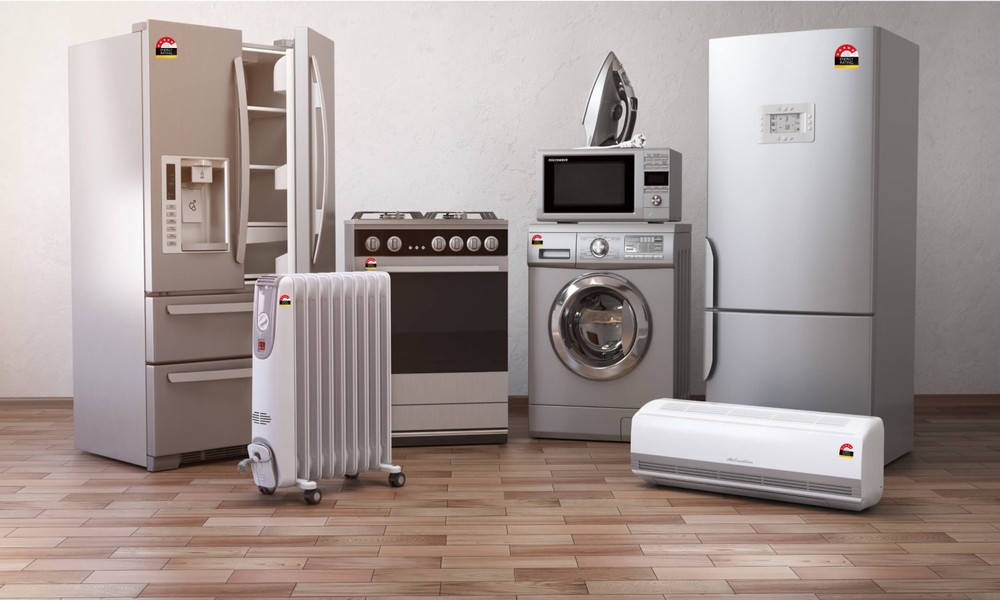
Lifecycle Assessment studies the full impact of products. It tracks material flow from raw extraction to disposal. This method reveals hidden environmental costs across stages. The focus often stays on energy use during operation. But manufacturing stages can carry large emissions burdens. The question now becomes more complex and urgent. Do savings during use balance the cost of production? This issue matters for climate goals and industrial planning. The discussion grows as new technologies enter daily life.
Understanding Lifecycle Assessment in Modern Industry
Lifecycle Assessment offers a structured way to measure impact. It follows a product from creation to final disposal. Each stage includes resource use and emissions output. The method provides a complete environmental profile. The analysis includes raw materials and transport stages. It also studies energy use during operation phases. This approach helps compare different product choices. Manufacturers use this method for better design decisions. The process supports sustainable production goals across sectors. It creates a clear view of total environmental cost. This clarity helps guide policy and innovation decisions.
Manufacturing Emissions and Resource Extraction Concerns
Manufacturing often requires high energy input. Factories consume electricity and fuel for production. Raw material extraction adds further environmental strain. Mining processes release greenhouse gases and pollutants. Transport of materials increases total emissions load. Industrial processes also generate waste and harmful byproducts. These factors raise the carbon footprint before product use begins. The early stages of production remain energy intensive. Many industries rely on fossil fuel-based systems. This reliance drives higher emissions during manufacturing. The concern grows with complex and advanced products. Some devices require rare materials and specialized processing methods.
Energy Savings During Product Use Phase
Energy savings occur during the use phase of products. Modern devices consume less electricity than older models. Improved design reduces operational energy demand significantly. This efficiency helps lower long-term emissions output. Consumers benefit from reduced energy bills over time. The shift toward energy efficient appliances supports sustainable living. These products operate with lower energy consumption rates. The savings accumulate across many years of use. Efficient systems also reduce strain on power grids. This reduction supports cleaner energy transitions globally. The operational phase often shows clear environmental benefits.
Balance Manufacturing Impact and Use Phase Benefits
Production-use balance is complicated. Some energy-saving products cost extra to make. Technology-intensive products necessitate extensive manufacturing. Production emissions may counteract savings. Experts and policymakers discuss this discrepancy. Lifecycle Assessment thoroughly assesses this trade-off. Total emissions from all stages are analyzed. This comparison aids consumer and industry decision-making. Designers want to cut manufacturing emissions. Cleaner energy improves production sustainability. Transport impacts are reduced via efficient logistics.
Next Steps for Sustainable Product Design
Lifecycle emission reduction is a future strategy. Manufacturing aims to use green energy. Policy frameworks promote greener industry worldwide. Consumers influence sustainable decisions. Awareness encourages low-impact product demand. Lifecycle Assessment will guide decisions. Design and policy alignment improve using the method.
Conclusion
Lifecycle Assessment shows environmental impact fully. Manufacturing emissions can be enormous. Energy savings during use are beneficial. Product design and manufacturing determine equilibrium. Sustainable innovation requires equal attention to both stages. Better lifecycle outcomes can result from cleaner manufacturing. Effective design reduces emissions. The future requires coordinated and informed approaches.








Comments