
From the street, a good roof appears simple. It keeps the attic and roof dry, sheds rain, and is quiet during a storm. It is not easy to achieve a clean, professional result. A competent roofing contractor is the backbone of a project. He should treat it as a whole, and not just as shingles on a wood surface. This is why this role is the foundation for a roof installation that will last.
Standards are the best way to start, not shortcuts
Contractors who are reliable work according to local weather conditions, building codes and manufacturer specifications. They choose the right underlayment, pay attention to nail placement and size fasteners. It’s simple. Sounds simple. The majority of early failures are caused by tiny shortcuts that people don’t see.
Site assessment can predict trouble
A thorough assessment is required before a single bundle can be delivered. Structure, decking conditions, ventilation, flashings points, chimney crowns and skylights. Drip edges. Gutters alignment. You can get a clear picture of the risks by hiring a contractor who measures, climbs and takes photos. This map allows for a more accurate scope, and there are fewer surprises when the tear-off begins.
Clarity and Sequencing
Work that is reliable follows a logical sequence. Protect the landscaping and contents of your attic. Remove layers carefully. Replace damaged decking. Install the ice and Water Shield where it belongs. Install drip edge, underlayment and vents in the correct order. Next, shingles or panels are installed. Crews can move more quickly and make fewer mistakes when the sequence is precise.
Flashing the roof correctly is only half of the job
Roofs are rarely defective in the field. Roofs often fail during transitions. Chimneys, sidewalls, headwalls, skylights, pipe boots. Contractors bend and layer flashing in such a way that water is never able to enter. The step flashing is not installed in long strips, but rather piece-by-piece. Counterflashings are inserted into mortar joints and not glued onto brick. These details are not ornamental. These are the roof.
Ventilation control and moisture control
Roofs that can’t breathe are hot and humid. This reduces the life of shingles and causes problems that you can’t see. A reliable contractor balances intake and ventilation, protects baffles when insulation is being done, and calculates intake and exit. They note and coordinate any attic air sealing needs or bath fan reroutes. The air beneath the roof is just as important as the weather above.
Materials that are not only priced but also matched to goals
Budgets are important. So do goals. Each factor influences the choice of material: storm exposure, solar plans and curb appeal. Contractors who are experienced will explain the trade-offs using simple language. They may mention impact ratings, algal resistance, wind warranties or color temperature. It is rare that the best choice will be the most affordable or the cheapest. The right choice is one that fits your site and tolerance for maintenance.
Insurance and safety protects everyone
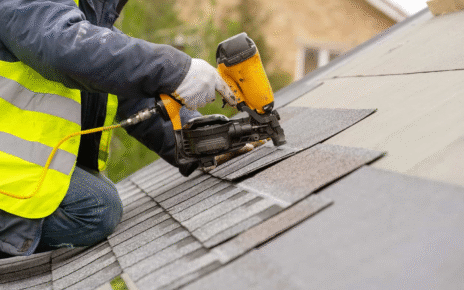
Ladders, harnesses, tear-off debris, nail guns–roofing carries risk. Professional crews arrive with fall protection plans, coverage that you can verify, and cleanup plans. This isn’t just paper. This is a sign that the work is treated as a business and not just a weekend job.
You can see the quality control
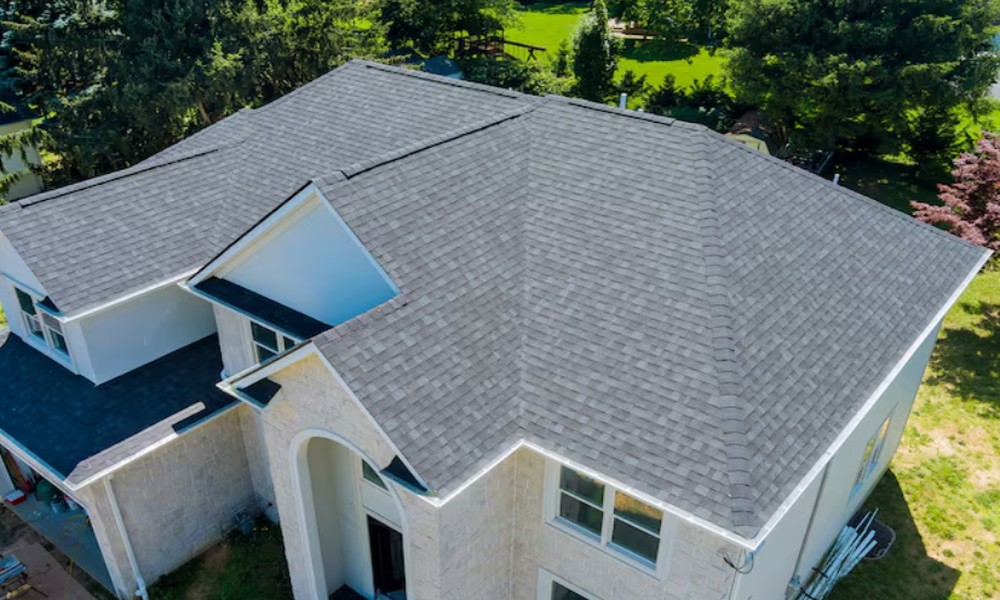
It is not necessary to use a magnifying glass to evaluate the work. You should look for straight courses, a consistent nailing pattern, and clean cuts on the rakes or hips. Valleys must drain well and be flat. Pipe boots must be seated correctly, with the seals and flashes in place. Magnetic sweeps remove nails at the end of each day, and your site will look like it was once again. Small signs, big meaning.
What does “warranty” mean?
Both are important: the manufacturer and the workmanship. First, it is important to install according to the instructions. The contractor’s process and stability are important factors in the second case. Roof installation should be backed up with photos, receipts, and documentation. This will make it easier to prove any warranty claims later.
Communication is key to a project’s success
Updates, not guesses, are the key to building great roofs. Write down the start date, crew size and daily milestones. Also, include weather forecasts. You’ll be informed of the options, timing, and costs when something unexpected happens under an old roof. This is not uncommon. Transparency is part of reliability.
Aftercare and routine maintenance
Contractors who are reputable will remind you of simple maintenance: clean gutters, trim overhanging limbs, check sealants at vulnerable points, and peek into the attic following storms. Checking quickly can catch minor issues before they become bigger.
A reliable roofer can turn a complex, weather-exposed roofing system into a project that is predictable. They are honest, order the work, observe transitions and document all. The process is clean, so the roof looks clean. This is what you need when the wind starts to pick up.
This post was written by a professional at Baypoint Roofing. Baypoint Roofing is a State-certified, insured, bonded, and licensed roofing contractor specializing in insurance restoration, storm damage repair, and expert Roof inspection Lutz FL and installations. With over 25 years of experience, we proudly serve the entire state of Florida. Whether you need a complete roof replacement or precise repairs, our skilled team delivers unmatched quality and service. Trust Baypoint Roofing to protect your home or business with solutions that endure the Florida elements and exceed your expectations. Your satisfaction is our top priority.