

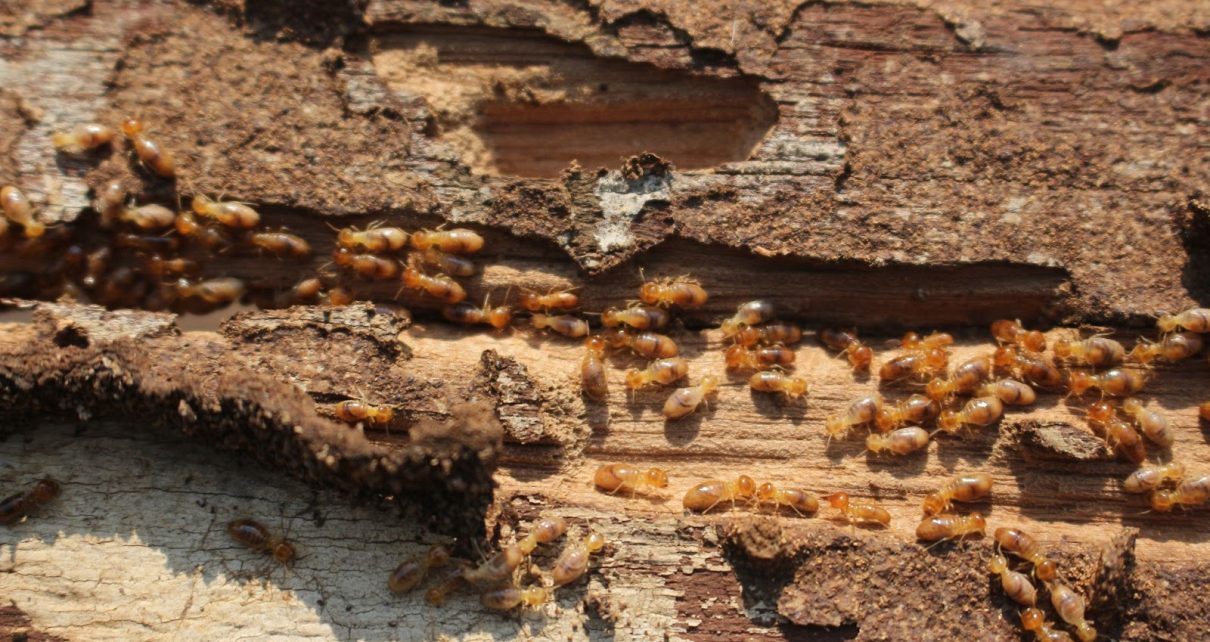
Termites are silent destroyers. Often going unnoticed until significant damage occurs, these pests can compromise wooden structures, decks, flooring, and furniture. Coastal and suburban homes, with moisture-prone areas and abundant landscaping, are particularly vulnerable. Understanding termite behavior, signs of infestation, and preventive strategies is essential to safeguard your property.
This guide will help homeowners identify termite risks, implement preventive measures, and understand the value of professional termite control services.
Why Termite Control Is Critical
Termites may seem harmless, but their effects can be devastating:
- Structural damage: They chew through wood, weakening beams, joists, and foundations.
- Financial costs: Repairs from termite damage can run into thousands of dollars.
- Property value impact: Homes with termite damage or histories of infestation may face reduced resale value.
- Silent destruction: Termites often go undetected until damage is extensive, making early detection crucial.
Investing in preventive measures now is far more cost-effective than repairing severe termite damage later.
Understanding Termite Types
Different termite species pose unique challenges:
1. Subterranean Termites
- Live in underground colonies and build mud tubes to reach wooden structures.
- Most destructive species in North America, responsible for the majority of structural damage.
2. Drywood Termites
- Nest directly in dry wood, such as furniture, beams, or structural timber.
- Do not require soil contact, making detection more difficult.
3. Dampwood Termites
- Prefer wood with high moisture content.
- Found near leaky pipes, water-damaged wood, or coastal regions with high humidity.
Knowing which species may target your home informs inspection, prevention, and treatment strategies.
Signs of a Termite Infestation
Early detection is critical. Look for these signs:
- Mud tubes along foundations or walls: Subterranean termites use these for protection while traveling between soil and wood.
- Hollow-sounding wood: Tap on wooden structures; hollow areas may indicate internal damage.
- Swarmers or discarded wings: Termites swarm during mating seasons; seeing winged insects indoors is a red flag.
- Frass (termite droppings): Drywood termites leave small, pellet-like droppings near infested wood.
- Cracked or bubbling paint: Termites can create surface irregularities as they tunnel underneath.
Spotting these early reduces the extent of damage and simplifies treatment.
Preventive Strategies for Termites
Homeowners can take several steps to reduce termite risk:
1. Reduce Moisture Around the Home
- Repair leaking pipes, faucets, and roofs promptly.
- Ensure proper drainage and avoid standing water near the foundation.
- Use vapor barriers in crawl spaces and maintain adequate ventilation.
2. Maintain Proper Landscaping
- Keep shrubs and trees trimmed away from the house.
- Avoid direct wood-to-soil contact; keep mulch at least 6–12 inches from foundations.
- Remove dead trees, stumps, and debris near the property.
3. Inspect Wooden Structures Regularly
- Check decks, porches, and fencing for signs of rot or termite activity.
- Seal cracks and gaps in wood and siding to prevent easy access.
4. Use Treated Wood
- When building or repairing, use pressure-treated or termite-resistant wood in areas prone to moisture.
- Apply protective sealants to outdoor wood structures.
5. Monitor Professionally
- Annual or semi-annual inspections by trained pest control experts can detect infestations before they become destructive.
- Professionals can recommend treatments tailored to specific termite species and property conditions.
Why Professional Termite Control Is Important
Termites are complex pests, and effective control often requires professional expertise:
- Accurate identification: Experts can distinguish between termite species and other wood-damaging insects like carpenter ants.
- Targeted treatment: Options include liquid termiticides, baiting systems, or localized treatments for drywood termites.
- Long-term monitoring: Professionals ensure colonies are eliminated and reduce the risk of recurrence.
- Structural protection: Recommendations may include soil treatments, barriers, or adjustments to landscaping to prevent reinfestation.
DIY methods may address surface issues, but without professional inspection and treatment, termites can continue to cause hidden damage.
Common Mistakes Homeowners Make
Avoid these errors to maintain a termite-free property:
| Mistake | Solution |
| Ignoring early signs | Inspect regularly and act immediately if mud tubes, wings, or hollow wood are found |
| Storing firewood near the home | Keep wood piles at least 20 feet from structures |
| Overwatering landscaping | Ensure proper drainage and avoid excessive moisture near the foundation |
| DIY-only treatments | Combine preventive measures with professional inspections for best results |
| Neglecting crawl spaces | Moist, dark areas are prime termite habitats — check and maintain them regularly |
Take Action Today
Termites are a persistent and destructive threat that can silently compromise your home. By understanding their habits, identifying early signs, and implementing preventive measures, you can reduce the risk of costly damage and protect your investment.
For comprehensive termite inspections, prevention, and treatment plans, consider contacting Main Sail Pest. Their expert team provides customized solutions designed to protect your home from termite damage year-round, ensuring your property remains safe, secure, and structurally sound.