
After a commercial flood, insurance questions often create as much stress as the damage itself. Business owners may assume all water damage is covered, only to discover gaps in their policy. Understanding how insurance handles commercial flood damage helps businesses avoid delays, denied claims, and unexpected expenses during recovery.
Why Flood Damage Coverage Is Often Confusing
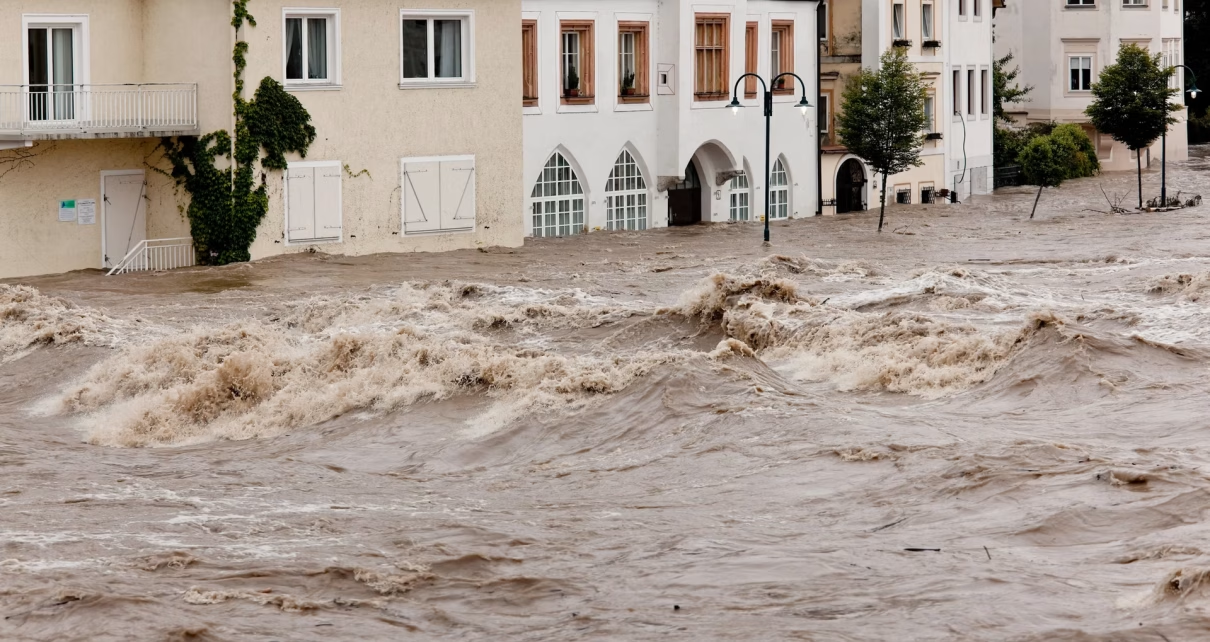
Flood damage and water damage are treated differently by insurance providers. Flood damage usually refers to water coming from outside the building, such as heavy rain, rising groundwater, or storm surge. This type of damage is often not covered under standard commercial property insurance policies.
Many businesses need a separate flood insurance policy to cover these losses. Without it, repairs, cleanup, and asset replacement may become out-of-pocket expenses, even if the flooding was unavoidable.
What Commercial Insurance Policies Typically Cover
Standard commercial insurance policies often cover water damage caused by internal issues. This may include burst pipes, leaking appliances, sprinkler system failures, or roof leaks caused by sudden events. Coverage depends on the cause of the damage and how quickly it was addressed.
Policies usually cover building materials, equipment, inventory, and sometimes lost income due to temporary closure. However, coverage limits, deductibles, and exclusions vary widely, making policy review critical.
The Role of Flood Insurance for Businesses
Flood insurance is designed specifically to cover damage caused by external flooding. Businesses located in flood-prone areas may be required by lenders to carry this coverage. Even properties outside designated flood zones can benefit from flood insurance, as storms and drainage failures can cause flooding anywhere.
Flood insurance policies typically cover structural damage and some contents. However, coverage limits may apply, and not all losses are reimbursed fully. Understanding these limits before a flood occurs helps businesses plan for potential gaps.
Why Documentation Is Critical for Claims
Insurance claims depend heavily on documentation. After flooding, businesses should photograph and video all affected areas, inventory, equipment, and structural damage. Records should include moisture damage that may not be obvious at first glance.
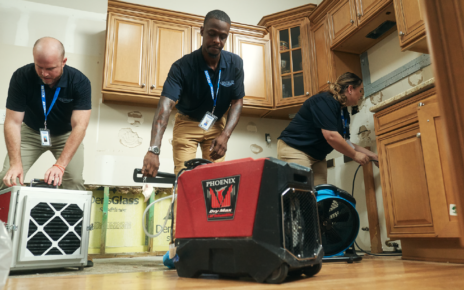
Professional restoration documentation strengthens claims. Moisture readings, drying logs, and detailed damage reports help insurance adjusters understand the full scope of the loss and reduce disputes.
Common Insurance Challenges After Commercial Flooding
One common challenge is delayed reporting. Waiting too long to notify insurance providers can reduce coverage or complicate claims. Another issue is incomplete cleanup documentation, which may lead adjusters to underestimate damage.
Businesses may also face coverage disputes if insurers believe damage resulted from long-term neglect rather than a sudden event. This is why professional assessment and immediate response are so important.
“Insurance claims after commercial flooding go much smoother when damage is documented early and restoration begins right away,” says Justin Milton of Disaster Restoration Pros. “Professional documentation protects business owners and speeds up recovery.”
How Restoration Professionals Support Insurance Claims
Commercial restoration teams understand how insurance claims work. They provide detailed reports, photos, and timelines that align with insurance requirements. This reduces back-and-forth with adjusters and helps ensure all affected areas are included in the claim.
Restoration professionals also help prevent secondary damage, such as mold growth, which may not be covered if caused by delayed response. Acting quickly protects both the property and the claim.
Steps Businesses Should Take Before Flooding Happens
Reviewing insurance policies before a flood occurs is one of the best ways to reduce stress later. Business owners should understand what is covered, what is excluded, and whether separate flood insurance is needed.
Keeping updated inventories, asset lists, and maintenance records also supports faster claims. Preparation allows businesses to respond with confidence when flooding occurs.
Protecting Your Business Financially After a Flood
Flood damage recovery is challenging, but understanding insurance coverage makes it more manageable. Knowing the difference between flood and water damage, documenting losses thoroughly, and working with professional restoration teams helps businesses recover faster and protect their financial future.