
 By
By 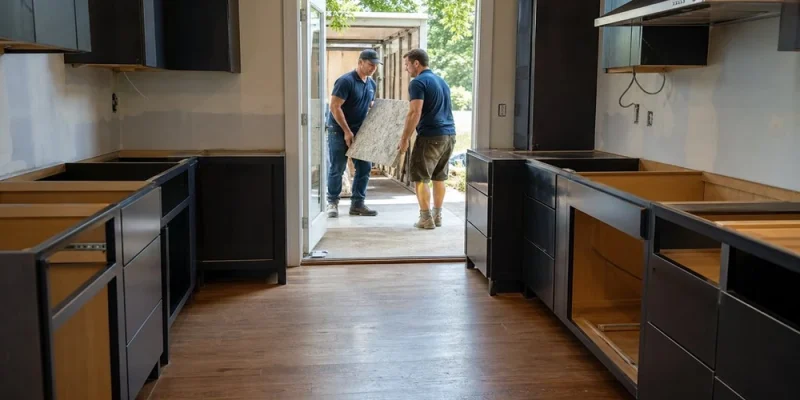
Granite kitchen countertops
There are many things to consider before you install granite countertops in your kitchen. Some of them you must do before the installation process begins. It’s important to have all of your bases covered so that your installation goes smoothly. Here are a few things you should keep in mind:
Make Sure Your Cabinets Are Ready
You can’t expect granite to make a weak, poorly-anchored base cabinet work like it’s still new. This is one of the most important things to check before the granite goes in. If there’s any variation in the cabinetry beyond 1/8 inch along the run of countertop it needs to be leveled before the granite goes in. A granite countertop that is installed over uneven cabinetry is susceptible to stress fractures. You could also have problems with gaps opening up between the walls and the countertop.
This also means that you should decide any changes you want to make in the cabinetry before the countertops are measured. If you want a larger or deeper sink, now’s the time to make any necessary alterations. If you’re installing an island, you should decide that location as well. You should also make decisions about filler panels, wall repairs, and how much the granite countertops should overhang. Any changes made after the granite has been cut are going to be costly for you because of the expense of additional granite work (Forbes spells this out at forbes.com/home-improvement) – more on granite countertop installation Davie if you want that route.
Know What You Want Before Measurements
Granite installers use the word “templating” to describe taking countertop measurements. Your counters aren’t necessarily going to have ninety degree corners and straight walls that are perfectly square with each other so it’s important to get the measurements as accurate as possible. They will take note of any irregularities and where they want to make cutouts. This process also gives you the opportunity to decide on things like overhang size, backsplash details, and the type of edge profile you want. You should also pay attention to the stone pattern and how to line up the pieces.
Be prepared to make final decisions during the templating process.
The fabricator will decide where to make seams and try to work around the patterns in the stone to get the most attractive look, especially if it’s a heavily veined slab. They will also try to avoid areas of the countertop where it might be likely to take a hit.
Clear a Path Before Installation
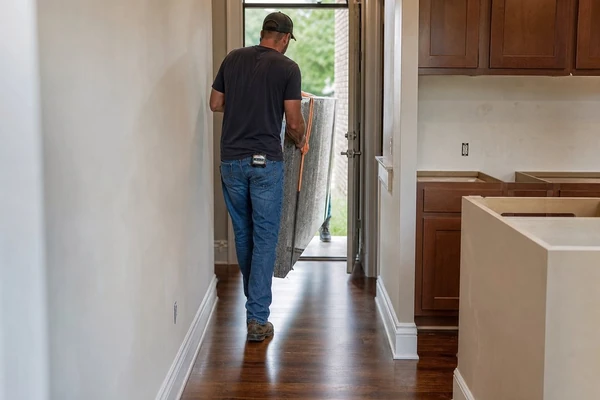
Granite countertop installation
Before the installers come in, they will ask you to clear away anything that will impede their access to the countertops. The team at Kitchen Remodeler Davie is familiar with that kind of site preparation. This is for their safety as well as protection of any breakable objects in your cabinets. The pieces will likely be too large and heavy for them to navigate through a tight space without breaking something or twisting the pieces in such a way that could crack them. If you want to coordinate appliances with your new countertops, make sure that they are there on installation day.
Let the Sink Seal Before Hookup
The sink will be put in place with your granite countertops, but the actual faucet, disposal, and plumbing won’t be hooked up until later so as not to disturb the sealant and glues that are used. Your cooktop will also need to be reconnected at this time.
Before having the stone cut, the fabricator needs to know how much the overhang is planned to be and where any seating will be located. While your typical countertop overhang doesn’t require additional support, some areas may need to be braced with corbels or steel brackets, including deep breakfast bars and peninsulas. Determine what support will be required, and make sure they won’t interfere with knee space, drawers or plumbing.
Also plan clearances and heights for appliances that will be installed under the counter. Under-counter refrigerators, dishwashers and slide-in ranges need plenty of space for removal and service after installation, as well as special brackets or clips to attach the appliance, and you should not hang a working appliance from stone!
When the slab is placed, do a final inspection with the installers before they leave. Check seams, edge polish, cut-outs etc. under good lighting. Flag any issues right away because it is much easier to adjust slabs before silicone and adhesive fully cure.
Protect Porous Granite
Granite countertops may be finished with a penetrating sealer that will soak into the stone and slow absorption of liquids. However they’re finished, you don’t want acidic liquids, abrasive cleaners, or harsh chemicals sitting on your countertops for long. Even natural oils or pigmented foods can leave their marks. You shouldn’t cut directly on the stone (since it dulls knife blades) or put scorching hot pans on them without a trivet, especially near seams where they were glued together.











Comments