

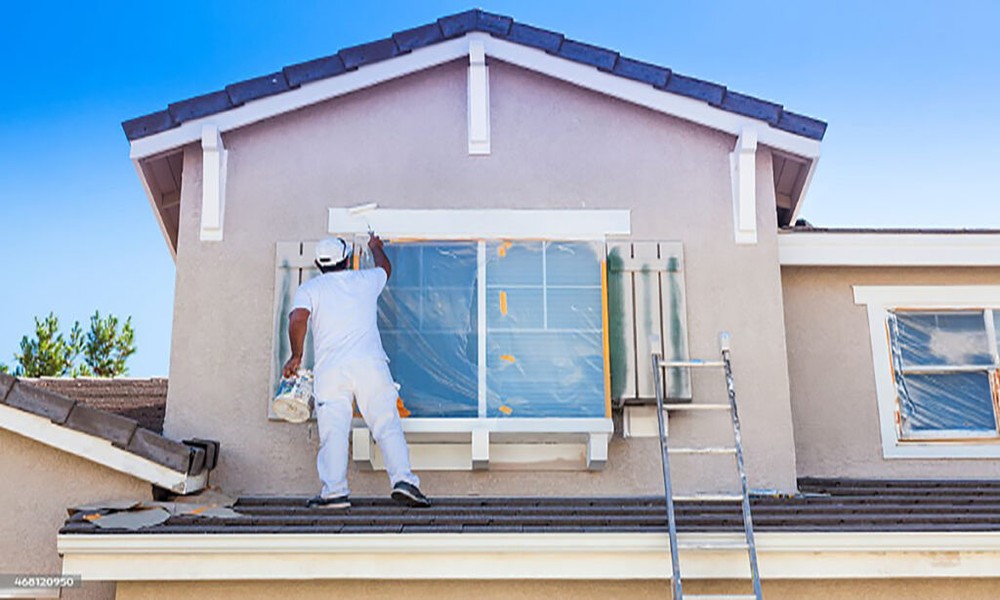
Moving into a new home triggers a thousand little tasks, but few make a space feel like yours as much as painting the walls. Yet, before you pop open that first can of color, understanding what’s behind your walls, and what could go wrong, flat-out changes your results.
Understanding Your Walls: Types and Common Issues
Some homes hide a patchwork of drywall and plaster beneath their paint. Drywall is the modern standard: smooth, relatively easy to repair, and quick to install. Plaster walls, common in older homes, offer a denser, more durable finish but can be trickier to patch. Both materials react differently to moisture, impact, and temperature changes, which means your painting prep needs to be specific.
Water stains, cracks, popped nails, and bubbling paint often hint at bigger problems. Ignore these, and your fresh coat could peel or bubble within months. Take a close look for discoloration, soft spots, or loose sections. Sometimes, what seems like a simple paint job reveals the need for more thorough repairs.
Deciding between a quick patch and a full replacement depends on severity. Small holes or hairline cracks in drywall usually just need filling. But if you spot sagging, wide cracks, or significant water damage, replacing affected sections is safer (and ensures your new paint lasts).
Preparing Walls for Painting: Essential Steps
Great results start with serious prep. Dust and oils cling to walls even if they look clean, so begin with a wipe-down using a damp sponge and mild detergent. For stubborn stains, especially grease or crayon marks, use a degreasing cleaner.
Imperfections pop under a fresh coat. Fill nail holes with spackle, sand rough areas, and tape off edges for crisp lines. If cracks or holes are deep, let repairs dry completely before sanding flush. For old plaster, consider hiring professionals if the damage is extensive. Companies specializing in house painting often offer both plaster and drywall repairs, skipping steps here leads to disappointment later.
Priming is not optional for most walls. It seals repairs, evens out the surface, and helps paint adhere. Use a stain-blocking primer for watermarks; for new drywall, a dedicated drywall primer works best.
Choosing the Right Paint for Every Room
Not all paints are created equal. Finishes range from flat (matte) to high gloss, and your choice depends on the room’s demands.
– Flat or Matte: Hides imperfections well but marks easily. Best for low-traffic areas like adult bedrooms.
– Eggshell/Satin: A hint of sheen, easy to clean, and a favorite for living rooms and hallways.
– Semi-Gloss/Gloss: High durability and washable, perfect for kitchens, bathrooms, and trim.
Color is more than a paint chip. Lighting changes how colors read, shifting from warm in natural light to cooler in artificial. Test samples in different spots before committing. Lighter shades can make small rooms feel open, while darker hues add cozy drama.
Specialty paints help tackle unique challenges. Washable paints are lifesavers in kids’ rooms or entryways. Mold-resistant formulas work wonders in damp areas like basements. For eco-conscious homeowners, low-VOC (volatile organic compound) options cut down on chemical smells and are safer for families.
Painting Techniques and Tools for a Professional Finish
A professional finish relies on preparation and the right tools. At minimum, you need quality brushes (angled for corners), rollers with the proper nap for your wall texture, painter’s tape, and a sturdy ladder. Investing in a good roller can prevent streaks and save hours of touch-up work.
Start at the top and work your way down. Cut in edges with a brush, then use a roller for walls, overlapping slightly as you go. Keep a wet edge to avoid visible lines. Often, two coats produce the most even coverage, especially with bold colors or over patched areas.
Common mistakes include skipping primer, overloading the brush, or painting in poor lighting. Rushing the drying time leads to smudges or uneven sheen. Always read paint labels for recommended drying times between coats.
Maintaining Painted Walls: Care Tips and Troubleshooting
Freshly painted walls can stay vibrant for years with the right care. Regular dusting and gentle cleaning with a soft, damp cloth keep colors bright. Avoid harsh chemicals which can fade finishes.
Peeling paint, cracks, or water stains signal trouble. Small chips are easy to touch up, but widespread peeling may point to underlying moisture or poor prep. In humid climates, use a dehumidifier and inspect for leaks.
For persistent issues or if repairs seem overwhelming, it’s wise to call in experienced professionals. Experts not only restore your walls but offer advice on products and finishes that best suit your home’s needs.
House painting may start as a simple weekend project, but with the right approach, it becomes a long-term investment in your home’s beauty and health. A bit of care up front means fewer headaches, and a more welcoming space, for years to come.