
 By
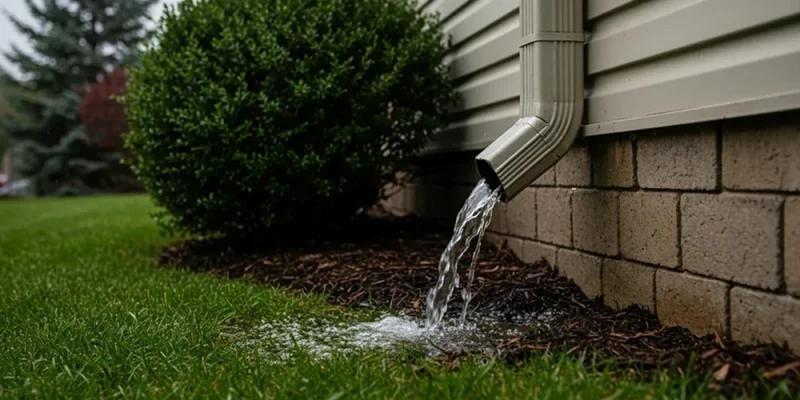
After a heavy rain, a few puddles in the yard might not seem concerning. However, when water repeatedly collects near your home’s foundation, walkways, or landscaping, it may indicate a drainage problem that deserves attention.
Standing water can gradually contribute to soil erosion, moisture intrusion, and damage to exterior surfaces. The difficulty is that the visible puddle isn’t always where the problem begins. Sometimes the cause is an uneven yard, while in other cases, rainwater isn’t being properly directed away from the roof.
Understanding where the water comes from is the first step toward finding a practical solution.
1. Start by Observing Where Water Collects
Before attempting repairs, pay attention to where puddles appear and how long they remain after rainfall.
Water gathering directly beneath the roofline may suggest overflowing gutters or disconnected downspouts. Puddles forming farther into the yard could indicate compacted soil, poor grading, or drainage obstructions.
Look for patterns rather than isolated wet spots.
For example, if water consistently collects near one corner of your home, observe whether a downspout ends nearby. If puddles appear along a walkway, check whether the surrounding ground directs water toward the pavement instead of away from it.
These observations can help distinguish a roof drainage issue from a broader landscaping problem.
You should also look for signs of repeated moisture exposure, including washed-out mulch, exposed roots, soil erosion, and discoloration along exterior walls.
Identifying these clues early makes it easier to choose an appropriate repair instead of addressing only the visible symptoms.
2. When Gutters Are Part of the Problem
Gutters are designed to collect roof runoff and direct it toward downspouts. When the system is damaged, blocked, or improperly positioned, water may spill over the edges or leak through vulnerable sections.
Several common problems can interrupt this process.
Clogged gutters: Leaves, twigs, and roof debris can prevent water from flowing freely. During rainfall, water may overflow and collect near the foundation.
Sagging sections: Loose fasteners or weakened supports can cause gutters to pull away from the roofline, allowing water to escape.
Leaking seams: Worn joints and separated connections may cause concentrated dripping along siding or beneath the gutter.
Incorrect gutter slope: Sections that don’t direct water toward the downspout can allow water to remain trapped or overflow in the wrong location.
These problems aren’t always visible from the ground, particularly on taller homes.
For Indianapolis homeowners researching drainage solutions, searching for gutter repair Indianapolis can be a starting point for understanding local repair options, although identifying the actual source of the overflow is more important than choosing a service immediately.
Minor issues may require cleaning, resealing, or securing loose components. More extensive deterioration could justify replacing particular sections.
The goal should be to restore consistent water movement rather than simply covering up an obvious leak.
3. Check Whether Downspouts Discharge Water Too Close to the House
Even when gutters are functioning correctly, poorly positioned downspouts can create drainage problems.
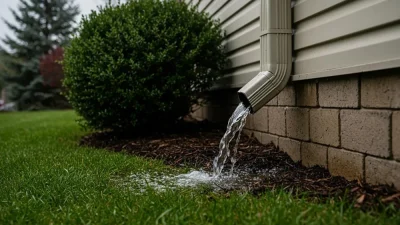
A downspout that releases water immediately beside the foundation may concentrate roof runoff in an area where moisture is already difficult to manage.
During rainfall, observe where the water exits and whether it flows away from the building.
If the discharge area becomes muddy or develops a noticeable depression, an extension or another suitable drainage solution may help redirect water farther from the structure.
Downspouts should also be checked for crushed sections, disconnected joints, and internal blockages.
An underground drain connection requires additional attention because a hidden obstruction can cause water to back up even when the visible downspout looks normal.
Any drainage modification should account for the property’s slope and avoid directing runoff toward neighboring buildings or creating hazards along walking surfaces.
4. Examine the Ground Around Your Foundation
Not every pooling problem starts at the roof.
The condition and slope of the surrounding ground strongly influence where rainwater travels.
Ideally, the landscape immediately around a building should encourage surface water to move away from the foundation rather than toward it.
Over time, soil can settle, landscaping projects can change drainage patterns, and garden beds can develop low spots that trap water.
Look closely at areas where soil slopes inward or mulch repeatedly washes toward the house.
Hard surfaces deserve attention as well. Driveways, patios, and walkways may settle unevenly, creating depressions where water collects.
Depending on the conditions, possible solutions include adjusting landscape grading, correcting localized low spots, improving surface drainage, or consulting a qualified drainage professional.
Avoid adding soil against siding, covering drainage openings, or blocking the clearance needed between exterior materials and the ground.
The right solution should improve water movement without creating another moisture problem.
5. Know When a Drainage Problem Needs Professional Attention
Some drainage issues are straightforward, while others involve multiple contributing factors.
Removing accessible debris or correcting a disconnected downspout may resolve a localized problem. However, recurring basement moisture, extensive erosion, persistent standing water, or visible foundation movement warrants closer examination.
A professional assessment can help determine whether the cause involves gutters, grading, underground drainage, or another building component.
Homeowners should also avoid climbing onto roofs or using unstable ladders to investigate difficult-to-reach gutters.
When reviewing repair recommendations, ask what caused the problem, how the proposed solution changes water flow, and whether additional maintenance will be necessary.
Understanding the cause helps prevent repeated repairs that address symptoms rather than the underlying issue.
Conclusion
Rainwater pooling around a home is worth investigating, especially when the same areas become saturated after every storm.
Begin by observing where water collects, then examine visible gutter conditions, downspout discharge points, and the surrounding landscape.
These simple checks can reveal whether the issue involves roof runoff, surface grading, or a combination of drainage problems.
Addressing the source of unwanted water is generally more effective than repeatedly clearing puddles or repairing the damage they leave behind. With timely maintenance and appropriate drainage improvements, homeowners can better protect their landscaping, exterior surfaces, and foundation.






Comments