
 By
By 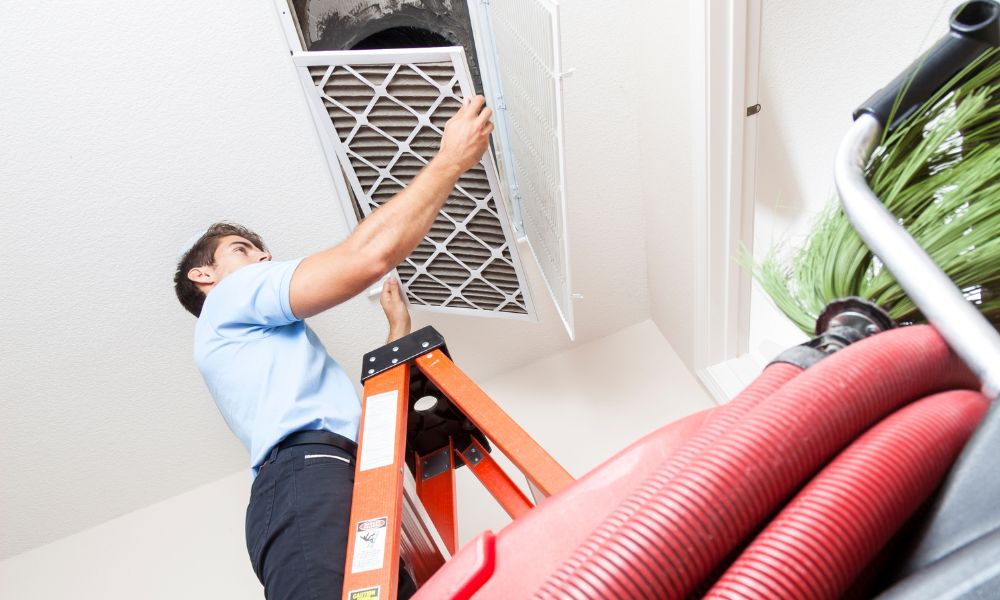
Water damage and deep cleaning projects often bring two headaches at once: lingering moisture and the air quality issues that come with it. Damp materials can trap odors, support mold growth, and keep a space feeling uncomfortable long after the initial spill or leak is handled. The good news is that with the right approach, you can shorten drying time, improve indoor air, and restore soft surfaces like carpet without turning your home or job site upside down.
Step 1: Control airborne dust, allergens, and odors while drying
When materials dry, they can release particles into the air: drywall dust from repairs, disturbed allergens, or musty odors from damp carpet pad. If you are running fans or moving furniture around, even more debris can become airborne. This is where high quality filtration helps. A true HEPA air scrubber can capture fine particles and keep the work area more comfortable for occupants. If you need a rental option that is built for job-site conditions, consider this resource: Air Purifier Rental in Toronto – Beast 600 HEPA Air Scrubber / Purifier | Hepa Air Scrubber Rental |DryingEquipment.ca. Pairing air scrubbing with dehumidification and good airflow can reduce that stale, dusty feeling and help you stay ahead of mold risks during the drying window.
Step 2: Remove as much water as possible from carpet and upholstery
Drying starts with extraction. The more water you remove up front, the less time you spend waiting for evaporation to do the work. This matters after a small flood, a plumbing leak, or even a heavy carpet cleaning session where too much solution was used. A proper extractor pulls water from carpet fibers and, importantly, from the pad below, where moisture loves to hide. For a capable rental unit designed for real recovery work, this link is a solid starting point: Carpet Extractor Rental in Toronto – Carpet Cleaner and Water Extractor – DryingEquipment.ca. After extraction, keep air moving across the surface and monitor for damp spots along walls, under furniture, and near transitions where carpet meets tile or hardwood. A cleaner, healthier result comes from combining smart extraction with cleaner air. Handle the moisture first, filter the air while you work, and you will get back to a comfortable space faster with fewer lingering odors and fewer surprises later.








Comments