
 By
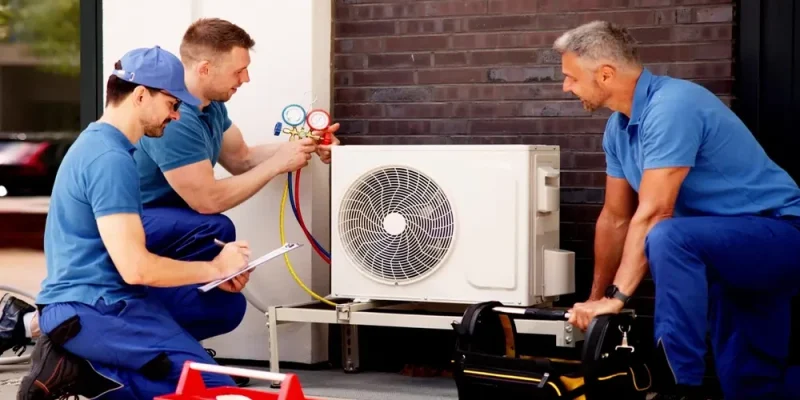
Two neighbors buy the same model of air conditioner in the same week. A year later, one house stays cool and dry through August. The other feels sticky, the system runs nonstop and the power bill keeps rising. The equipment was identical. The difference came down to how each system was sized, placed and set up on installation day.
That gap is more common than most homeowners expect. Many new systems never deliver the capacity and efficiency printed on their labels. The usual reasons are sizing errors, leaky ducts, the wrong refrigerant charge and poor airflow. Expensive equipment cannot make up for a rushed install.
In a hot, humid coastal city, those mistakes show up quickly. Anyone comparing quotes for Jacksonville hvac installation will notice that prices and proposals vary widely. The work behind those numbers matters far more than the logo on the outdoor unit. Knowing what a proper installation includes makes it much easier to compare those quotes.
Sizing Starts With the House, Not the Old Unit
Many replacements simply copy the tonnage of the old system or use a square footage rule of thumb. The problem is that houses change. New windows, added insulation, a reroof or a room addition can all change how much cooling a home actually needs.
The industry standard is a load calculation known as Manual J. It looks at which way the house faces, window size and direction, insulation levels, air leakage, the number of people living there and where the ducts run. The results then guide equipment selection and duct design. The ENERGY STAR guidance on HVAC quality installation points out that oversized equipment can cycle too often, which reduces comfort and shortens the system’s life.
Humidity makes oversizing an even bigger problem. A unit that is too large cools the air fast and shuts off before the coil has time to pull much moisture out. The thermostat might read 74 degrees while the house still feels clammy and starts to smell musty. Many people respond by lowering the thermostat, which only raises the bill. Two-stage and variable-speed systems help because they run longer at lower output, so they remove moisture more steadily.
Ductwork Can Make or Break the Job
Old Ducts Behind New Equipment
Many homes in warm regions run their ducts through the attic, where summer temperatures can climb well past 120 degrees. Leaky joints pull that hot air into the system and push cooled air into the attic. If you connect a new high-efficiency unit to tired, leaky ducts, you lose much of what you paid for. Ask whether the existing ducts will be inspected and sealed with mastic, and whether leakage will be tested.
Return Air and Static Pressure
Air has to come back to the system as easily as it goes out. Many older homes have one central return. When bedroom doors are closed, those rooms can’t push air back to the system, so they stay warm. Transfer grilles or jumper ducts can fix that. Modern blowers are also sensitive to static pressure, which is the resistance air meets as it moves through the ducts. Undersized ducts and returns make the system noisy, strain the motor and cut airflow.
Placement Decisions That Outlast the Equipment
Where the equipment goes affects how long it lasts. The outdoor unit needs a level pad and open space around it so air can flow freely. It works best away from dryer vents and lawn sprinklers that can coat or corrode the coil. In storm country, the unit should be fastened to its pad with tie downs that meet local wind requirements. Where flooding is a risk, it should sit high enough to stay dry.
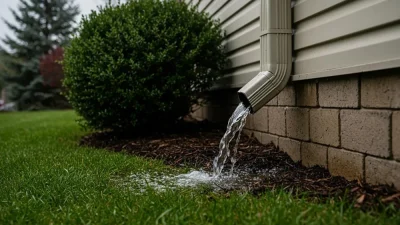
Indoor placement matters just as much. An air handler in the attic should sit over a secondary drain pan fitted with a float switch. If the main condensate line clogs, the switch shuts the system off before water comes through the ceiling. Clogged drain lines are one of the most common causes of ceiling water damage in humid climates. Units in closets and garages need enough room around them for easy filter changes and service.
What Should Happen Before the Crew Leaves
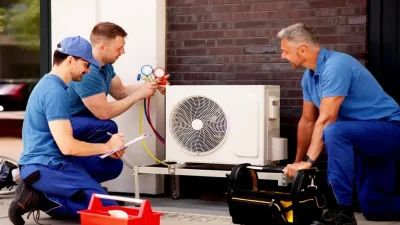
A careful installation ends with testing, not just switching the system on to see if cold air comes out. Before the job is called finished, the crew should check these items:
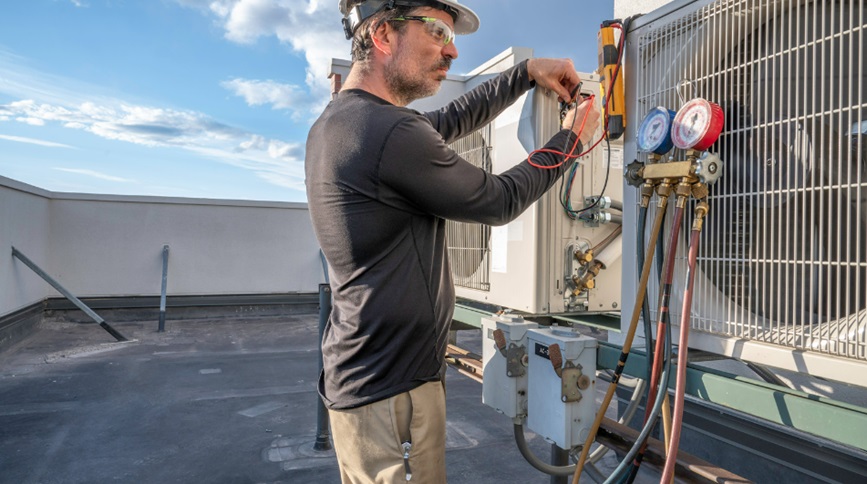
- Refrigerant charge, checked against the manufacturer’s specifications using superheat or subcooling readings
- Airflow across the indoor coil, with the blower speed set to suit both the ducts and the humidity
- Static pressure readings, written down for future reference
- The condensate drain and float switch, tested by pouring water into the pan
- Thermostat settings, matched to the equipment’s stages and any dehumidification mode
- The permit, closed out with a final inspection where local rules require one
Ask for these readings in writing. They give future technicians a starting point when they service the system, which makes problems easier to spot years later.
Reading Quotes With Fresh Eyes
The lowest bid is not always the best value. A cheaper quote may skip the load calculation, reuse an old pad or refrigerant lines without testing them, or leave out duct sealing. A higher quote may include exactly those steps. It helps to put two proposals side by side and check what each one covers. Look for the load calculation, the drain safety equipment, permit fees, removal of the old unit and registration of the manufacturer’s warranty. Many brands only extend parts coverage if the system is registered within a set time after installation.
It also helps to ask who will be doing the work and how long it should take. A typical change-out is often a one-day job. Larger projects that involve new ducts or moving the equipment take longer. A contractor who explains each step clearly and puts it in writing is usually one who expects the work to be checked.
Sales conversations tend to focus on the brand of equipment, but comfort in a humid climate depends on the decisions made around it. Correct sizing, sound ducts, sensible placement and careful testing let a new system deliver the cool, dry air it promises for many years.





Comments