
 By
By 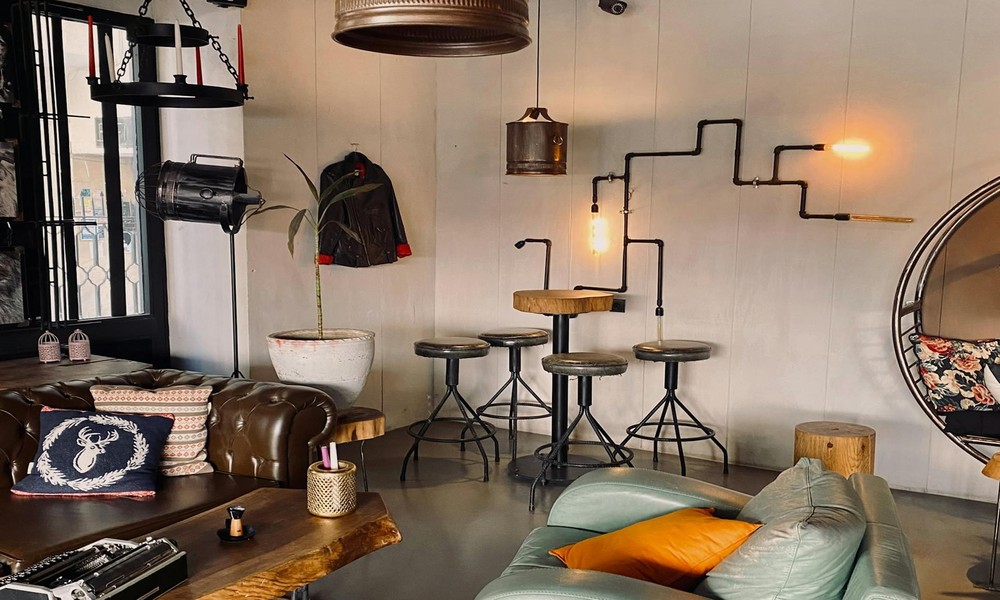
Introduction
The way we design and furnish our homes has always been a reflection of broader cultural currents – our anxieties, aspirations, and the world we inhabit. In recent years, the interior design landscape has become richer and more democratised than at any previous point in history. Social media platforms like Instagram and Pinterest have given millions of people direct access to professional-grade inspiration; streaming services have brought aspirational interiors into living rooms worldwide; and a booming market in accessible furniture and homeware has made it possible to realise sophisticated design ideas at almost any budget.
Yet with this abundance of choice comes a certain paralysis. The range of styles on offer – from the raw and industrial to the soft and maximalist, from the serene and stripped-back to the vibrantly eclectic – can be overwhelming. Understanding the underlying logic and aesthetic principles of each major style is the first step to creating a home that feels not merely fashionable, but genuinely expressive of the people who live in it.
This article explores four of the most influential and enduring interior design styles of the contemporary era: Industrial, Bohemian (Boho), Eclectic, and Minimalist. For each, we examine the visual language and underlying philosophy, trace its cultural origins, assess its current standing as a design trend, and offer practical guidance on how to achieve it through the choice of furniture, lighting, and accessories.
Industrial Style
The Aesthetic and Its Origins
Industrial interior design draws its visual vocabulary from the factories, warehouses, and workshops of the nineteenth and early twentieth centuries. It is an aesthetic born of necessity repurposed as choice: when developers began converting disused industrial buildings in New York’s SoHo and London’s Shoreditch into residential lofts in the 1970s and 1980s, they retained the exposed structural and mechanical elements – brick, steel, concrete, ductwork – that would have been hidden in conventional domestic buildings. Over time, what began as a pragmatic acceptance of existing fabric became a positive aesthetic statement, and industrial design spread far beyond the converted warehouse into mainstream homes worldwide.
The core qualities of industrial style are rawness, honesty of materials, and a refusal of unnecessary decoration. It celebrates the visual interest of structural and mechanical elements: exposed beams, unplastered brickwork, steel I-sections, concrete floors and ceilings. The palette is anchored in neutrals – charcoals, blacks, raw whites, warm mid-greys, and the natural tones of untreated wood and metal. Colour, when it appears, tends to be used sparingly and with intention.
Industrial style has proven remarkably durable as a design trend. Far from fading, it has evolved and matured, absorbing influences from Scandinavian design (bringing warmth and refinement to what can otherwise feel cold) and from the crafts movement (introducing handmade ceramics, leather goods, and artisanal objects that add humanity to the hard industrial surfaces).
Achieving the Industrial Look
Furniture
The furniture of an industrial interior tends to combine raw or reclaimed materials with straightforward, utilitarian forms. Look for:
- Dining tables in reclaimed timber with steel hairpin or A-frame legs. The combination of warm wood grain and dark metal is quintessentially industrial.
- Sofas and armchairs in aged leather – tan, cognac, or dark brown – or in heavy canvas and linen fabrics. Chesterfield sofas work exceptionally well in industrial settings, combining a sense of worn heritage with substantial form.
- Shelving in steel box section or pipe-and-board configurations, ideally wall-mounted and exposed rather than enclosed in cabinetry.
- Bar stools with metal frames and wooden or upholstered seats, placed at kitchen islands or breakfast bars.
- Storage in metal lockers, factory trolleys repurposed as side tables, or wooden crates and boxes.
Avoid furniture that is too polished, too uniform, or too obviously “designed.” The industrial aesthetic values imperfection, patina, and the evidence of use and time.
Lighting
Lighting is one of the most powerful tools for establishing an industrial atmosphere, and the choices available are wide:
- Pendant lights in spun metal shades – cage pendants, factory pendants, and school-house globe pendants in black or gunmetal finishes – are the most recognisable industrial lighting form. Hung in clusters or on long drops from high ceilings, they make an immediate and strong statement.
- Exposed Edison filament bulbs, either bare or in minimal wire cage holders, reinforce the utilitarian aesthetic while producing a warm, amber glow.
- Wall-mounted adjustable arm lamps in black or brass-finished steel, derived from workshop and studio lighting, add functional beauty at task-lighting level.
- Conduit-run surface wiring – where cables are intentionally run on the surface in metal conduit rather than concealed – is an authentic and visually interesting detail in industrial spaces.
- Floor lamps with tripod or industrial pipe bases bring height and sculptural presence.
Accessories and Finishing Touches
- Exposed brickwork: If you have existing brick beneath plaster, exposing it transforms a room. If not, textured brick-effect panels or limewashed brick-effect paint can approximate the effect.
- Concrete surfaces: Concrete effect paint, microcement overlays, or concrete worktops add the essential hard, cool material quality.
- Metal accents: Black iron, gunmetal, and aged copper in picture frames, coat hooks, door hardware, and decorative objects reinforce the palette.
- Vintage and industrial objects: Old factory clocks, enamel signs, vintage scientific instruments, old pulleys, and similar salvage items add authentic character.
- Greenery: Large-leafed plants – rubber plants, monstera, fiddle-leaf figs – in simple terracotta or concrete pots introduce organic warmth that prevents the industrial interior from feeling cold or sterile.
Bohemian (Boho) Style
The Aesthetic and Its Origins
Bohemian interior design is, at its heart, a celebration of freedom – freedom from convention, from uniformity, and from the dominance of any single cultural tradition. Its name derives from the nineteenth-century artistic subculture of Paris and other European cities, where artists, writers, and intellectuals living outside conventional social norms developed a lifestyle aesthetic characterised by colourful, layered, culturally eclectic surroundings.
The contemporary boho interior draws on this tradition while adding influences from global travel, world music, and a deep engagement with craft and handmade objects. It is richly textured, colourful, and layered, mixing patterns, textiles, and objects from different cultures and traditions without anxiety about consistency or restraint. It tends to feel collected rather than decorated – the accumulation of a life lived with curiosity and a love of beautiful things – and this quality of genuine personal expression is central to its enduring appeal.
Boho design has been one of the dominant interior trends of the 2010s and 2020s, and while it has spawned many derivative and commercially produced “boho” product lines, the authentic version of the style resists easy commodification. It grows slowly, is personal, and is always more interesting for the stories behind its objects.
Achieving the Boho Look
Furniture
Boho furniture is characterised by organic forms, natural materials, and a sense of comfortable, unhurried ease:
- Low seating – floor cushions, poufs, ottomans, and low sofas – creates a relaxed, informal quality. Moroccan floor cushions (kilim-covered or embroidered), oversized floor poufs in leather or woven fabric, and rattan or wicker seating all contribute.
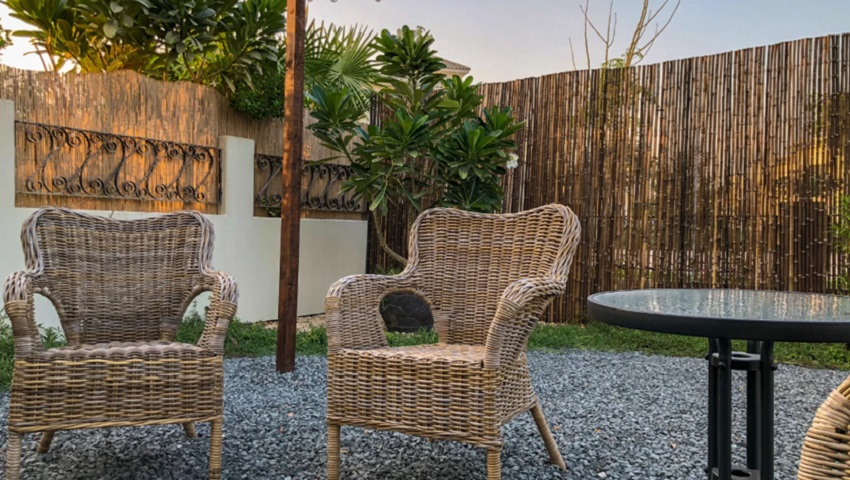
- Rattan and cane furniture – from curved rattan chairs to cane-panelled bedframes – is one of the most characteristic boho furniture forms, combining a global craft tradition with light, organic visual quality.
- Vintage and secondhand pieces are essential to an authentic boho interior. A carved wooden chest, a worn leather armchair, a hand-painted side table, or a mid-century credenza each brings individual history and character that new furniture cannot replicate.
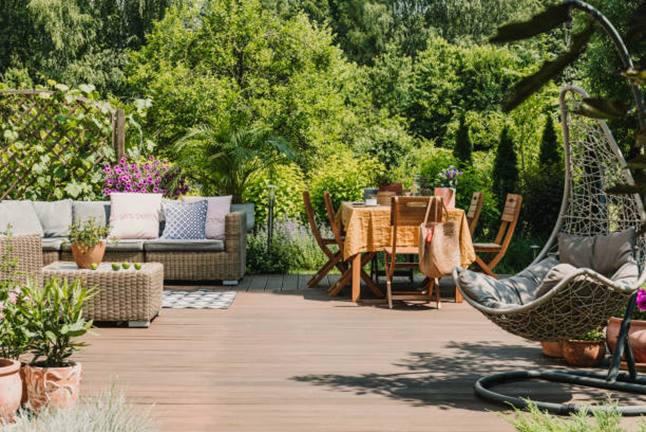
- Hammocks and hanging chairs suspended from ceiling beams or purpose-made frames are playful, functional boho staples.
- Four-poster or canopy beds, dressed with flowing fabrics, create an intimate, romantic quality in the bedroom.
Lighting
Boho lighting leans towards warmth, intimacy, and handcraft:
- Macramé and woven pendant lights in natural rope or cotton are perhaps the most instantly recognisable boho lighting fixture, casting intricate patterned shadows and providing a strong textural presence.
- Moroccan lanterns – in hammered metal, pierced tin, or coloured glass – produce magical dappled light and connect the interior to North African and Middle Eastern craft traditions.
- String lights and fairy lights, draped across walls, canopies, or outdoor spaces, create a festive, magical atmosphere that is entirely consistent with the boho spirit.
- Candles and candle holders in clusters – pillar candles, beeswax tapers, tealights in Moroccan holders – are almost indispensable to a boho interior at evening.
- Table lamps with bases in terracotta, woven rattan, hammered brass, or painted ceramic, topped with fringed, tasselled, or printed fabric shades, add intimate pools of warm light.
Accessories and Finishing Touches
- Layered textiles: This is the heart of boho. Layer rugs upon rugs – a kilim over a jute flatweave, a Moroccan Beni Ourain over a sisal. Pile up cushions in varying sizes, patterns, and fabrics: embroidered silk, printed cotton, woven wool, velvet with tassels. Drape throws across sofas and chairs. The more generous and varied the layering, the more authentically boho the result.
- Plants: Boho interiors are almost always abundant with plants. Trailing plants (pothos, string of pearls, hanging ferns) cascade from shelves and ceiling hooks; larger plants (banana trees, palms, olive trees) anchor corners and bring the outside in. The pots themselves should be varied and characterful: terracotta, woven baskets, hand-painted ceramics.
- Wall art and hangings: Textile wall hangings – macramé, woven tapestries, vintage kilims hung as art – are fundamental to the boho wall. They can be mixed with framed prints, paintings, mirrors with decorative frames, and objects like carved wooden masks or woven baskets.
- Crystals, feathers, and natural objects: Geodes, driftwood, bundles of dried pampas grass, feathers, shells, and seed pods all contribute to the boho connection with the natural world.
- Books, records, and personal objects: Displayed openly and generously, these reinforce the sense that the space is genuinely lived in and personally curated.
Eclectic Style
The Aesthetic and Its Origins
Eclecticism in interior design is perhaps less a “style” in the conventional sense and more a philosophy – a deliberate embrace of diversity, contrast, and the unexpected. Where most named interior styles seek coherence through consistency (of materials, palette, period, or cultural reference), eclecticism achieves coherence through confident curation: the selection and arrangement of items from wildly different traditions, periods, and styles in a way that creates a visually stimulating and intellectually engaging whole.
The eclectic interior has historical antecedents in the Wunderkammer – the “cabinet of curiosities” of Renaissance collectors – and in the Victorian practice of filling domestic interiors with objects acquired through travel and trade. Its modern form owes much to the design philosophy of the late twentieth century, which challenged the modernist idea that historical consistency was a virtue and embraced instead the freedom to mix, quote, and juxtapose.
What distinguishes successful eclecticism from mere clutter is the presence of an organising intelligence – a strong underlying sense of visual harmony maintained through the consistent use of colour, scale, or spatial organisation, even as the individual objects and styles vary dramatically. The eclectic interior always looks curated, never random, even when it appears effortlessly spontaneous.
Achieving the Eclectic Look
Furniture
The eclectic interior is built from pieces spanning different periods, styles, and cultural origins, unified by a strong spatial and chromatic framework:
- Mix periods deliberately: A Georgian wingback chair reupholstered in a bold contemporary fabric, placed alongside a 1970s Danish teak sideboard and a modern marble-topped coffee table, is the essence of eclectic furniture arrangement. No single period or style should dominate.
- Prioritise character over coordination: Every piece of furniture in an eclectic interior should have a strong individual presence. Avoid safe, inoffensive filler furniture; each item should be chosen because it is genuinely interesting.
- Use scale confidently: Contrasting scales – a very large sofa alongside a small, delicate side table; a vast mirror above a low credenza – create visual energy. Uniformity of scale produces timidity.
- Reupholster with intent: One of the most powerful tools in creating an eclectic interior is reupholstering vintage furniture in unexpected fabrics. A Victorian button-back sofa in a graphic geometric fabric; a mid-century chair in a bold botanical print. The contrast between form and surface creates delight.
- Include statement pieces: The eclectic interior needs at least one or two objects that are genuinely surprising or extraordinary – a piece that commands attention and prompts conversation.
Lighting
- Mix lighting styles and periods: A crystal chandelier in an otherwise industrial-influenced room, or a sleek contemporary pendant above an antique table, creates the kind of productive tension that defines eclecticism.
- Layer light sources: More than in any other style, the eclectic interior benefits from multiple, varied light sources at different heights – pendant lights, table lamps, floor lamps, picture lights, and candles all contributing to a rich and varied luminous environment.
- Choose distinctive fixtures: Lighting in an eclectic space should be as individually characterful as the furniture. Seek out vintage or antique fixtures from auctions and salvage yards, or invest in contemporary statement pieces with strong personalities. A quirky floor or table lamp from an online retailer such as Blackbrook Interiors can become a curious feature befitting of the eclectic design of the room.
- Use coloured glass and decorative shades: Tiffany-style stained glass, coloured glass globes, and printed or embroidered lamp shades introduce colour and pattern at eye level, enriching the visual texture of the space.
Accessories and Finishing Touches
- Gallery walls: The gallery wall – a curated collection of framed art, prints, photographs, and objects arranged on a single wall – is perhaps the defining feature of the eclectic interior. The key is to mix different frame styles, sizes, and subjects while maintaining enough visual coherence (through a shared colour thread, a consistent hanging line, or a unified backing palette) to read as deliberate rather than random.
- Collections displayed boldly: Eclecticism celebrates collecting. A collection of ceramics spanning five decades and three continents, displayed together on a shelf; a gathering of antique mirrors in different frames; a group of vintage scientific models. Collections give the eclectic interior its narrative depth and personal meaning.
- Unexpected juxtapositions: Place a contemporary sculpture on an antique plinth. Hang a Renaissance-inspired oil painting above a neon sign. Set a traditional Persian rug beneath a perspex coffee table. These deliberate collisions of the old and new, the high and low, the Eastern and Western, are the grammar of eclectic design.
- Colour as a unifying force: Because eclectic interiors contain so much visual diversity, colour must work harder than in other styles to maintain unity. A consistent palette – even a complex one – running through cushions, rugs, art, and accessories ties disparate elements together and prevents chaos.
Minimalist Style
The Aesthetic and Its Origins
Minimalism in interior design is, in its purest form, a philosophy as much as a visual style. Rooted in the art movements of the 1960s – particularly the minimalist painting and sculpture that emerged in New York, which stripped visual experience back to its essential geometry and material presence – and drawing deeply on the spatial philosophy of Japanese architecture and design, minimalism in the home seeks to create an environment of profound calm through the radical reduction of the unnecessary.
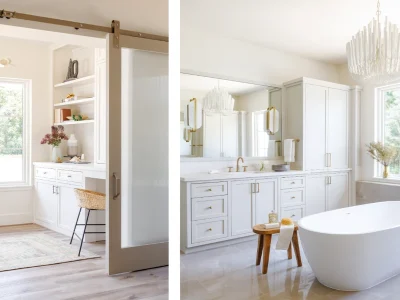
The minimalist interior is characterised by uncluttered space, restrained palettes of one to three neutral or near-neutral colours, furniture of simple and precise form, the concealment of practical necessity (storage, technology, services), and an acute sensitivity to the quality of light, material surface, and spatial proportion. It is an aesthetic that requires discipline – not merely in what you include, but in what you are willing to exclude.
Minimalism rose to particular prominence in the 1990s and 2000s, associated with designers such as John Pawson, Claudio Silvestrin, and Tadao Ando, and with a cultural mood that associated simplicity with sophistication. It has never entirely fallen out of fashion, but has been refreshed in recent years by the influence of the Japanese concept of wabi-sabi – the beauty of imperfection and transience – and by the global success of Marie Kondo’s philosophy of keeping only what “sparks joy.” Contemporary minimalism is softer and more textural than its 1990s predecessor, less clinical and more warmly human in its use of natural materials.
Achieving the Minimalist Look
Furniture
Minimalist furniture is the most considered in any design style. Every piece must earn its place:
- Choose quality over quantity: In a minimalist interior, you have fewer pieces of furniture, but each is visible and subject to scrutiny in a way that is not true in busier, more layered interiors. This demands investment in quality – in the precision of joinery, the honesty of materials, the rightness of proportion.
- Clean lines and simple forms: Furniture with simple, geometric forms and no unnecessary ornament. Low-profile sofas and chairs with straight or gently curved lines; dining tables with unadorned surfaces; bed frames of understated profile.
- Natural materials: Wood – particularly in lighter tones such as oak, ash, and birch – stone, linen, wool, and leather are the materials of contemporary minimalism. They bring warmth and texture to what might otherwise feel cold, and their natural variation adds visual interest within a restrained palette.
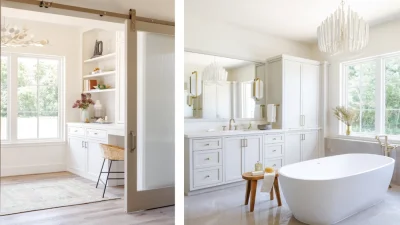
- Built-in storage: One of the most important tools of minimalist design is the integration of storage into the architecture of the room. Built-in wardrobes, integrated kitchen cabinetry, and wall-to-wall bookshelves conceal the practical paraphernalia of daily life behind clean, flush surfaces.
- Restraint in quantity: A minimalist living room might contain only a sofa, a coffee table, one or two chairs, and a storage piece. The empty space between and around furniture is as important as the furniture itself.
Lighting
Lighting in a minimalist interior must be both functionally excellent and visually unobtrusive:
- Recessed downlighters provide clean, even ambient light with no visible fixture. In a truly minimalist space, the ceiling is uninterrupted by pendants or surface-mounted fittings.
- Concealed strip lighting – behind architectural reveals, under shelving, within niches – creates dramatic grazing light across textured surfaces and defines architectural edges without visible hardware.
- A single sculptural pendant or floor lamp: While minimalism generally avoids decorative objects, a single pendant of exceptional formal quality – a beautifully proportioned paper globe, a precision-engineered metal fitting – or an architecturally designed floor lamp can serve as the sole decorative gesture in an otherwise pure room.
- Natural light: Minimalism is deeply invested in natural light. Window treatments, if any, should be sheer or simple panels that filter rather than block daylight. Skylights, light tubes, and large unobstructed windows are embraced enthusiastically.
- Dimmer controls on all circuits: The quality of light in a minimalist interior – its intensity, direction, and warmth at different times of day – is a primary source of sensory experience. Dimmers allow fine control over this quality.
Accessories and Finishing Touches
Accessories in a minimalist interior are few, carefully chosen, and deliberately placed. Less is genuinely more:
- One considered art work: Rather than a gallery wall, the minimalist interior tends to feature a single work of art – a painting, a photograph, a sculptural object – given space and prominence to be appreciated fully. The work itself should be strong enough to stand alone.
- Natural objects: A single branch in a tall vase; a bowl of river pebbles; a piece of driftwood on a windowsill. Natural objects bring an organic, wabi-sabi quality to minimalist spaces without introducing clutter.
- Textural variety within a neutral palette: Because colour is restrained, texture becomes the primary source of visual interest. Vary the textures of neutral elements – a linen sofa, a wool rug, a stone coffee table top, a rough plaster wall – to create richness within simplicity.
- Indoor plants, carefully chosen: A single large plant – a fiddle-leaf fig, a snake plant, a large-leafed monstera – makes a strong organic statement without introducing clutter. The pot should be simple: matte terracotta, smooth concrete, or a plain white ceramic.
- Absolute rigour about clutter: The greatest enemy of a minimalist interior is the accumulation of everyday objects on surfaces – keys, post, remote controls, chargers, magazines. Designing adequate, well-organised storage for these items, and maintaining the discipline to use it, is the non-negotiable requirement of minimalist living.
Broader Trends Shaping Contemporary Interior Design
Beyond these four defining styles, several broader trends are shaping the way people across the UK and the wider world are approaching their homes:
Biophilic Design
The biophilic design movement – rooted in the idea that human beings have an innate need to connect with nature – is influencing interiors across all styles. Natural materials, abundant plants, water features, natural light, and organic forms are being incorporated into everything from minimalist apartments to eclectic family houses. Research increasingly supports the wellbeing benefits of biophilic environments, from reduced stress and improved sleep to enhanced concentration and mood.
Sustainability and Conscious Consumption
Growing environmental awareness is reshaping purchasing habits. Vintage and secondhand furniture, always central to boho and eclectic design, is finding a much wider audience as buyers seek to avoid the embodied carbon and ethical concerns of new production. Sustainable materials – reclaimed wood, recycled textiles, natural fibres, low-VOC paints – are moving from niche to mainstream. The concept of “slow” interior design – buying less, buying better, and investing in pieces intended to last – is gaining traction as a counterpoint to fast-furniture culture.
Warm Neutrals and Earthy Palettes
The cold grey and white interiors that dominated much of the 2010s have given way to a warmer palette of earthy tones: terracotta, sand, ochre, warm taupe, sage green, clay pink, and burnt sienna. This shift reflects both the influence of biophilic design and a broader cultural mood seeking comfort and warmth in uncertain times. Dulux, Farrow & Ball, and Little Greene have all reflected this trend in their recent colour collections, and it shows no sign of fading.
Multifunctional Spaces
The post-pandemic experience of living and working in the same space accelerated a pre-existing trend towards multifunctional, adaptable home design. Furniture that serves multiple purposes – sofa beds, extending dining tables, storage ottomans, home office nooks integrated into living spaces – has become a priority for many buyers. Interior design is increasingly about the choreography of daily life as much as pure aesthetics.
Maximalism as a Reaction
Perhaps as a direct reaction to years of minimalist dominance, maximalism – a bold, fearless embrace of pattern, colour, texture, and abundance – is having a significant moment. Grandmillennial style (a loving revival of traditional decorative elements: chintz, ruffles, antique furniture), dopamine dressing applied to interiors (saturated, joyful colour), and the influence of designers like Luke Edward Hall and Kit Kemp have given people permission to be bold, playful, and unashamedly decorative.
Conclusion
The most important principle of interior design – more important than any particular style, trend, or aesthetic rule – is authenticity. A home that honestly reflects the personality, history, and enthusiasms of the people who inhabit it will always feel more compelling and more comfortable than one that has been assembled in faithful but impersonal adherence to a fashionable style.
The four styles explored in this article – industrial, bohemian, eclectic, and minimalist – each offer a coherent and distinctive set of aesthetic principles, and each contains within it a genuine design philosophy about how we relate to our material environment. Understanding those principles, and understanding which ones resonate most deeply with your own sensibility, is the starting point for creating an interior that is not merely stylish but genuinely your own.
Whether you are drawn to the raw honesty of industrial materials, the layered warmth of boho textiles, the intellectual energy of eclectic curation, or the serene discipline of minimalism, the same fundamental advice applies: buy less, choose carefully, prioritise quality and character over quantity, and never underestimate the power of good light.


Comments