
 By
By 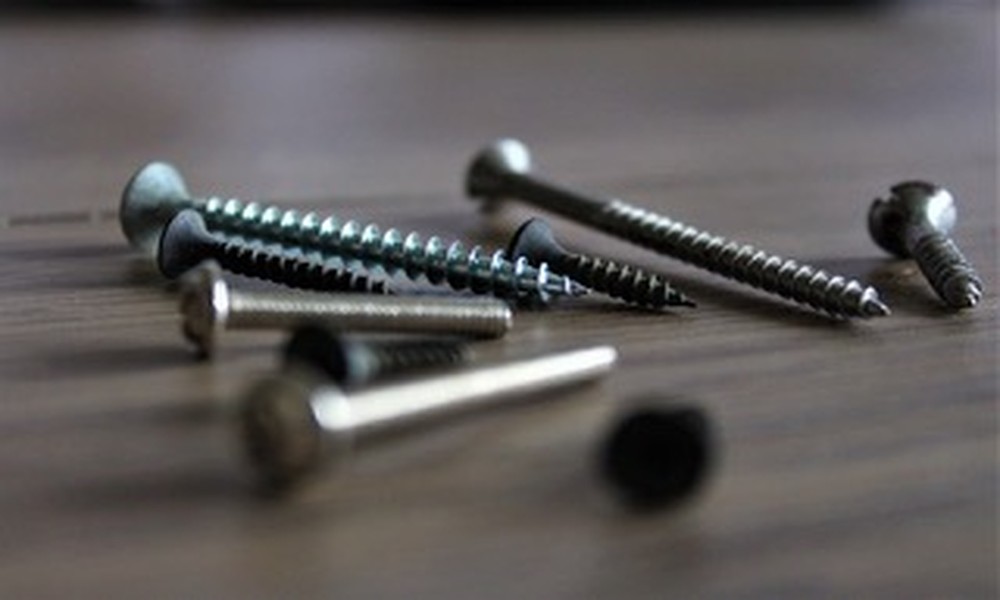
A connection often carries more responsibility than the structure around it. It absorbs movement, weight, and time without drawing attention. Many experienced builders choose specialty screws when ordinary fasteners fail to respond to these demands. The decision rarely feels dramatic, yet it changes how the joint behaves under pressure. Each selection reflects practical understanding shaped by repeated exposure to real working conditions.
How Specialty Screws Perform Under Real Conditions
On site, specialty screws reveal their value through behaviour rather than appearance. Some materials resist standard threads, while others expand or shift with weather changes. These screws respond differently. They enter with control and hold without forcing the material beyond its limits. This balance helps maintain both structural stability and surface condition over extended use.
How Specialty Screws Address Specific Material Challenges
Construction rarely follows a uniform pattern, and each surface presents its own demands. A suitable fastener must adapt without compromising strength or finish.
- Wood-to-metal screws secure mixed materials where movement differs across surfaces.
- Cement board screws hold dense boards without causing fractures along edges.
- Composite deck screws remain stable despite moisture exposure and seasonal expansion.
- Stainless steel variants resist corrosion in areas exposed to damp or outdoor conditions.
- Fine-thread screws support controlled insertion into harder substrates.
Each type meets a precise need, allowing the joint to perform with consistency.
Why Design Details Influence Long-Term Holding Strength
A screw performs through its design rather than its size alone. Thread spacing affects grip, while tip structure influences entry into the material. Coatings protect against environmental wear. Professionals observe how these elements behave over time. This attention helps avoid loosening, splitting, or gradual weakening within the joint.
Conclusion
Thoughtful fastening decisions shape the reliability of any structure. Specialty screws provide practical solutions where standard options fall short. Each careful selection supports strength, durability, and controlled performance, allowing connections to remain stable as conditions change and pressure builds over time.








Comments