
 By
By 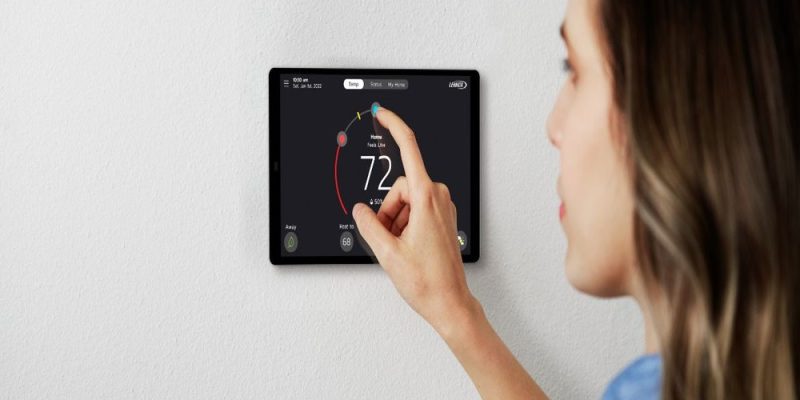
Key Takeaways
Smart zoning systems, like the lennox zone sensor, can overcomplicate home comfort without offering substantial benefits. Often, simpler solutions yield better results when it comes to managing your home’s climate.
Be wary of energy efficiency claims tied to smart sensors. Many homeowners report higher energy bills after installation, which is often due to maintenance hiccups and programming challenges.
When you factor in installation costs, it’s more than just the price of the sensors. Labor and potential compatibility issues with existing HVAC systems can lead to costs you weren’t anticipating.
The complexity of these systems can create maintenance woes. Calibration challenges, software glitches, and part replacements might sap both your patience and wallet, possibly erasing any initial savings.
Don’t overlook traditional thermostats; they remain a cost-effective alternative to smart sensors, providing basic features that require less upkeep yet can be just as effective at managing energy consumption.
Many homeowners have shared their regret about investing in complicated smart systems. They often find that straightforward, reliable solutions bring more comfort than high-tech alternatives.
Comfort is subjective. It’s something technology struggles to measure accurately, prompting many to rethink whether these high-tech solutions truly enhance their quality of life.
Is Smart Zoning Overkill for Your Home?
When Less is More: The Case Against Complex Systems
Smart zoning systems, like the Lennox Zone Sensor, promise tailored climate control for each room – sounds incredible, right? But here’s the kicker: sometimes more isn’t necessarily better. In fact, simple solutions often outperform complex tech.
The truth is, most homeowners want comfort without the added headaches. Can you really justify dropping thousands on a system that may not even meet your needs? Personally, I’ve found that regular HVAC maintenance and fresh air filters work wonders, often more so than any smart gadget. I genuinely believe in keeping it simple. Tech should streamline life, not complicate it.
A well-placed traditional thermostat often suffices for most households, providing comfort with minimal fuss. Why complicate things further? If you take a look at your current setup, you might find that you already have enough to manage. Sometimes, less truly is more.
How Energy Efficiency Myths Can Waste Your Money
There’s a common belief that precise climate control magically equates to energy savings. But here’s the reality: it’s often a trap. The idea that a smart sensor can track tiny temperature and humidity changes, leading to big savings, is tempting. Yet, many find the actual savings don’t measure up.
In fact, studies indicate that many homeowners wind up spending more on energy bills after installing complex zoning systems. Here’s why:
- Inconsistent use: You may intend to keep up with programming, but let’s be real-life happens. You might start off strong, then revert back to old habits.
- Unnecessary overcooling or heating: Each sensor often has its own settings, which can result in over-conditioning spaces. It’s easy to miss how that can drive up your energy bills.
- Maintenance costs: With added complexity comes increased chances of needing repairs. More sensors typically mean more maintenance frustrations down the road.
So, what about the claimed energy savings? I’m skeptical. You could be setting yourself up for disappointment rather than actual savings.
The Hidden Costs of Lennox Zone Sensor Systems
Installation Expenses: What Nobody Tells You
Sure, smart zoning sounds great-but wait until you see the actual price tag. Those sneaky installation costs can give you a fright. You might assume you’re just paying for the sensors, but if only it were that straightforward.
Here’s where things can really sting:
- Labor costs: Skilled technicians demand premium rates for installation. It’s definitely not just a simple plug-and-play setup; it requires expertise.
- Additional equipment: You could need extra hardware like dampers and more advanced thermostats, which can significantly inflate your total bill.
- System compatibility: Sometimes even the “right” products don’t mesh well with your existing HVAC system.
It’s surprising how many people overlook these nuances. Shouldn’t these costs be part of the upfront discussion?
Maintenance Nightmares: Do You Really Want That Hassle?
You’d be shocked at how many new systems end up causing maintenance headaches. I can’t tell you how often I hear from frustrated homeowners who thought they were buying convenience, only to find themselves deep in repairs.
Consider these potential maintenance pitfalls:
- Calibration issues: Sensors can drift over time. What you once thought was accurate might soon be wildly off, resulting in frequent recalibration.
- Software glitches: Like any tech, these systems are prone to faults. Troubleshooting can take longer than you’d like, becoming more of a hassle than it’s worth.
- Part replacements: Be prepared to replace components more often than you might expect. This financial drain can quickly wipe out any initial “savings” you thought you had.
And don’t even get me started on the learning curve. You might find yourself scratching your head every time something goes wrong. Is this the upkeep you really signed up for?
Are Smart Thermostats Just as Effective?
Comparing Smart Sensors and Traditional Thermostats
Ah, the classic debate. Some people swear by smart sensors, while others claim traditional thermostats are perfectly adequate. Stripping away all the fancy marketing, what truly works better? I’m leaning towards the traditional route.
Yes, smart thermostats flaunt impressive features, but let’s not forget about the straightforward options:
- Cost-effective: You’ll find the initial investment significantly lower. Fewer components mean fewer headaches overall.
- Energy monitoring: Even the basic models can help you keep track of usage without requiring too many advanced features.
- Minimal upkeep: Traditional models tend to have lower failure rates, meaning less maintenance fuss and lower costs.
So the question stands: do we genuinely need all that tech? Or would a simple, effective setup work just as well, if not better?
Real-Life Experiences: What Homeowners Say
At the end of the day, real stories count. I’ve heard plenty echoing through the community. While there are those who rave about their fancy setups, many express sheer regret. Here are a few noteworthy comments I’ve come across:
“I thought the Lennox Zone Sensor would bring me comfort – ended up spending a fortune on technology I didn’t even need.”
Here’s another:
“My old thermostat was simple and reliable, and now with more complexity, I’m just confused-and my bills are higher.”
The common theme? Many who invested in smart zoning feel trapped in a costly tech maze. Their experiences strongly advocate for returning to basics, focusing on what truly works.
What’s Missing in the Smart Zoning Conversation?
The Human Element: How Comfort Can’t Be Measured
Let’s get straight-technology can’t quantify comfort. Sounds like a bummer, doesn’t it? Comfort isn’t something a machine can grasp, no matter what marketing wants you to believe. It’s subjective, deeply personal, and varies from one person to the next.
How can you program a sensor to truly get your preferences and your family’s needs? You can’t. We often overlook how comfort is influenced by intangible elements like mood, activity levels, and even the seasons. Ever spent time in a room you loved, independent of temperature? That’s a human connection-something tech simply can’t replicate.
Quality of Life vs. Technology: Finding Your Balance
This discussion blurs when we weigh technology against our essential needs. Are we genuinely enhancing our quality of life, or are we just complicating it? The allure of high-tech solutions is strong, but if they don’t improve day-to-day living, what’s the point?
We have to reflect on how much we’re ready to compromise comfort for alleged efficiency-if that efficiency even materializes. To find that balance, consider these personal thoughts:
- Take stock of your needs: Think about what truly matters in your home’s climate control before diving into new systems.
- Understand long-term impacts: Be realistic about ongoing costs, not just initial investments.
- Trust your instincts: If something feels off about making your home “smarter,” it might be a sign that simpler is indeed better.
In the end, when weighing technology’s benefits against what’s truly vital, I can’t help but lean toward the uncomplicated approach.
FAQ
What are the long-term financial impacts of smart zoning systems?
In the long run, these systems can be more of a financial burden. Beyond initial installation, brace yourself for higher energy bills due to inefficiencies, ongoing maintenance costs, and potential repairs from complex failures. Many wish they’d stuck with simpler alternatives.
How do smart zoning systems impact air quality compared to traditional methods?
Smart sensors often complicate air quality management. While they promise precision, they can create erratic airflow and temperature swings, potentially harming indoor air quality. Traditional methods, with their straightforward designs, usually foster a more consistent environment.
Are there specific homes that benefit more from smart zoning systems?
Sure, some larger homes with diverse heating or cooling needs might see value in smart zoning. However, homeowners should weigh that against installation costs and complexity. Typically, a less complicated approach suffices just as well.
What happens if my smart zoning system requires repairs?
Repairs can be a total nightmare, honestly. Prepared for high costs, potential downtime, and the headache of finding qualified technicians? Many homeowners wish they’d avoided these complications altogether.
How often should regular maintenance be performed on smart zoning systems?
Plan to schedule maintenance at least once or twice a year. The added complexity means sensors may need recalibration and parts replaced more frequently compared to traditional systems. Fail to stay on top of this, and you could face performance issues and rising costs.
Can energy efficiency ratings always be trusted?
Not necessarily. Energy efficiency claims can mislead you-marketing often exaggerates benefits. It’s essential to go beyond ratings and consider real user experiences for a clearer view of performance.
What common problems should I expect with smart zoning systems?
Common issues include sensor calibration drift, software glitches, and parts requiring consistent replacement. Many end up tangled in a cycle of troubleshooting, which can negate any early comforts these systems promised.







Comments